
9am – 6pm
* Session duration may vary depending on the course schedule.


Dr. SungGuen Cho

(Until 6 Dec 2026)

this Seminar. the course will be awarded
8 CPD Certificate hours
9am – 6pm
* Session duration may vary depending on the course schedule.
Dr. SungGuen Cho
this Seminar. the course will be awarded
8 CPD Certificate hours
Course Overview
A global perspective on your next step in endodontics, delivered by the IFEA secretary & global KOL
Explore current international approaches to endodontics with Prof. Hyeon-Cheol Kim and Dr. SungGeun Cho. Designed for endo practitioners who want to jump to the next level, this one-day course connects contemporary NiTi instrumentation and bioceramic materials with clinical decision-making. Progress from glide path access to shaping and obturation, explore vital pulp therapy and intentional replantation, and put learning into practice through three hands-on workshops. Take your next step in endodontics! Secure your place today.
hours
workshops
only
Course Summary
One full day · 6 topics · 3 hands-on workshops
You will learn & get
You'll get hands-on
training on
- 01NiTi Shaping
- 02Canal Obturation
- 03Utilisation of Bioceramic Materials
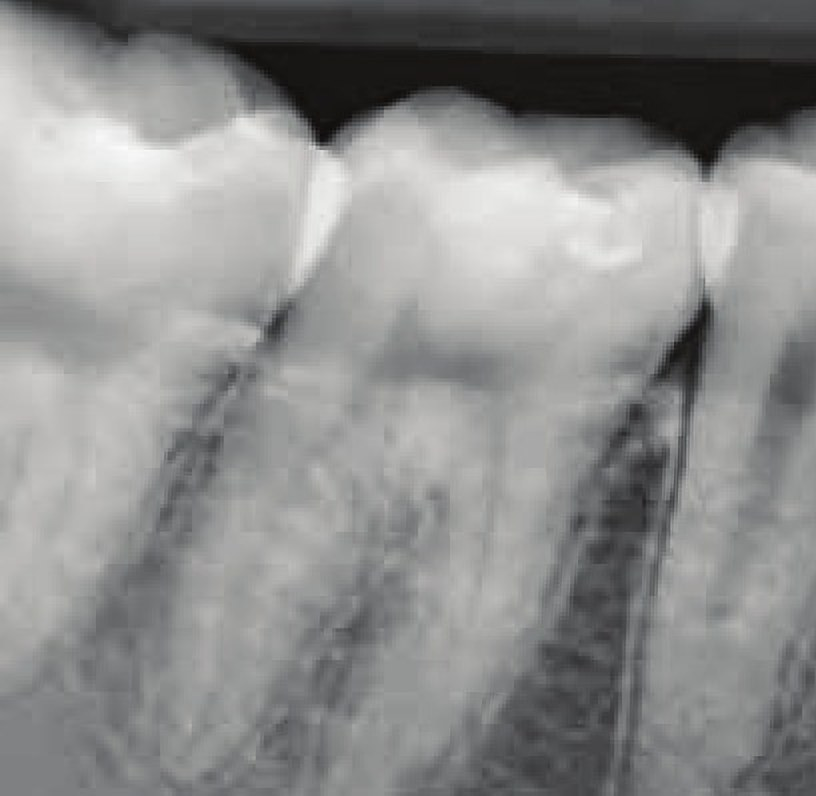
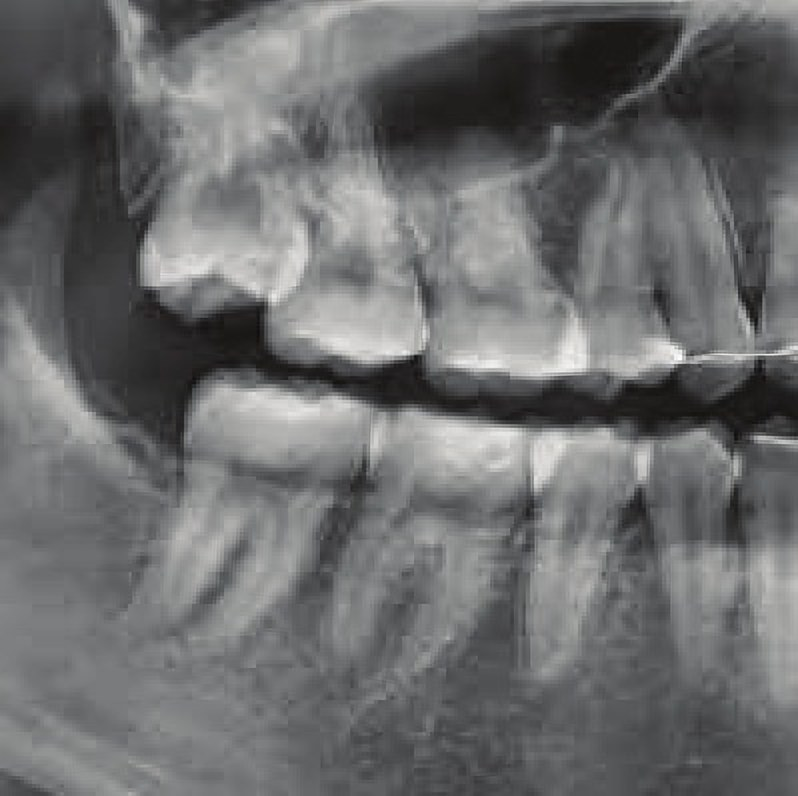
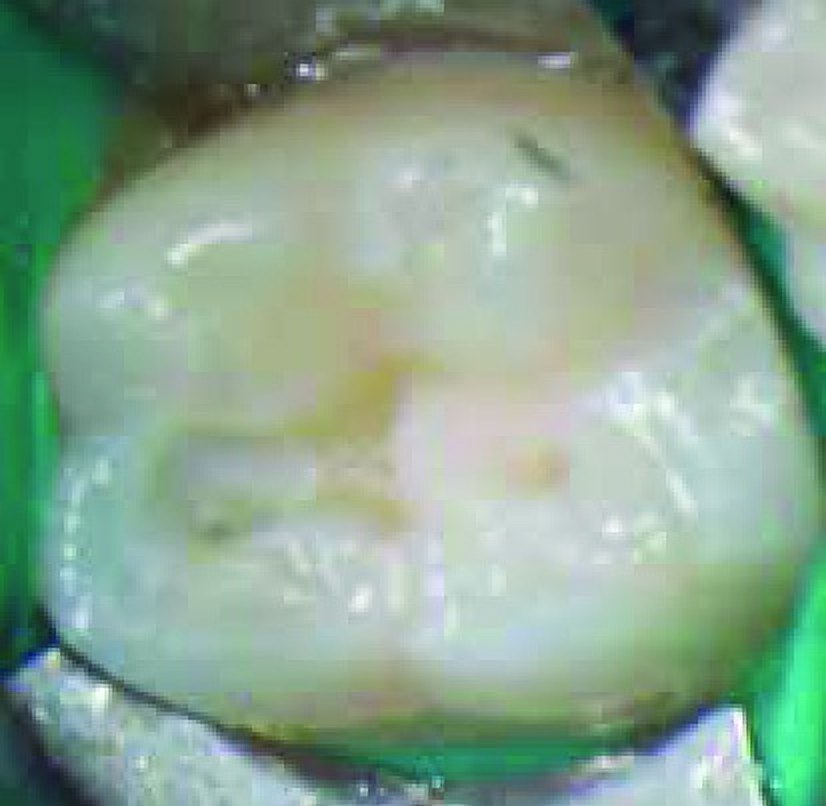
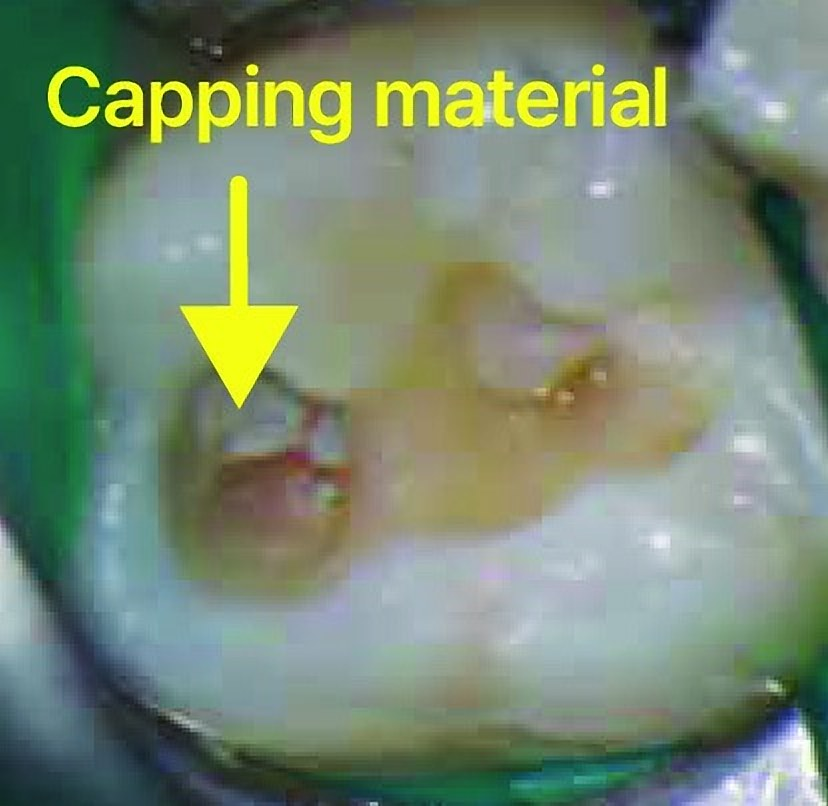
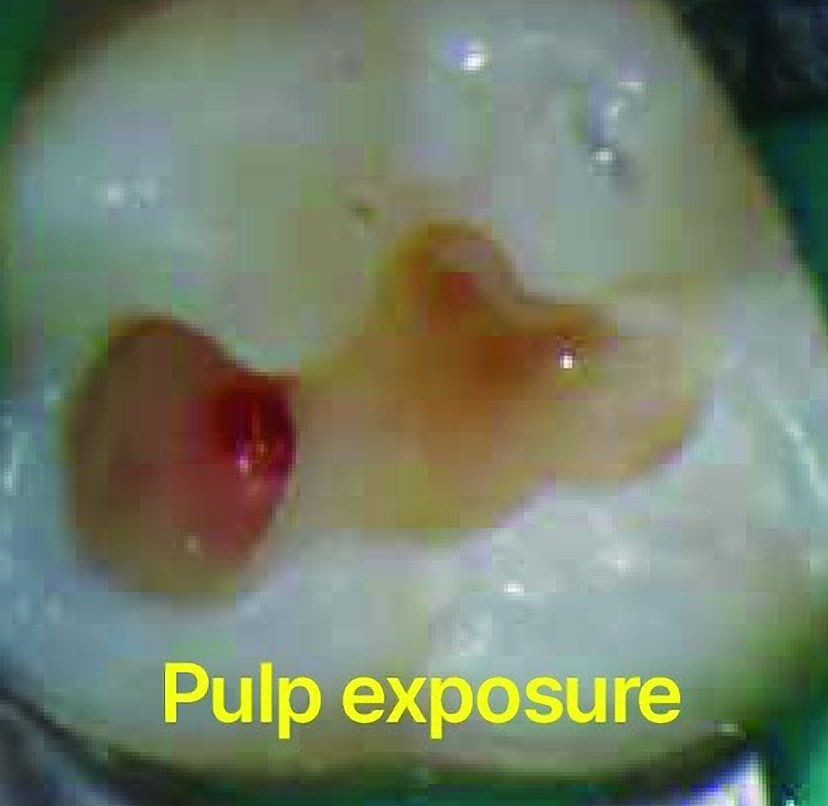
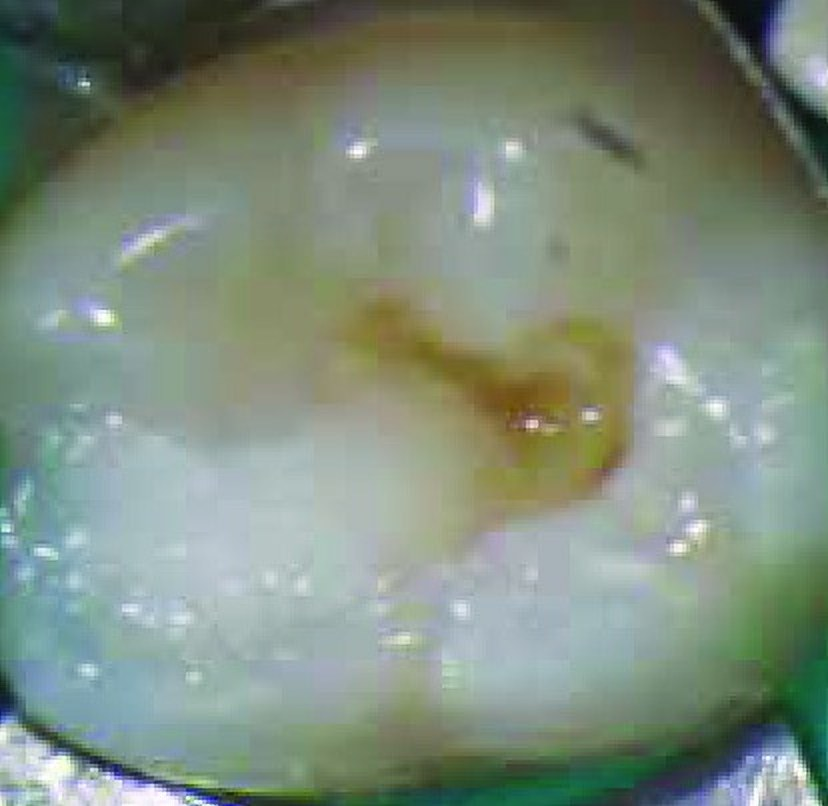
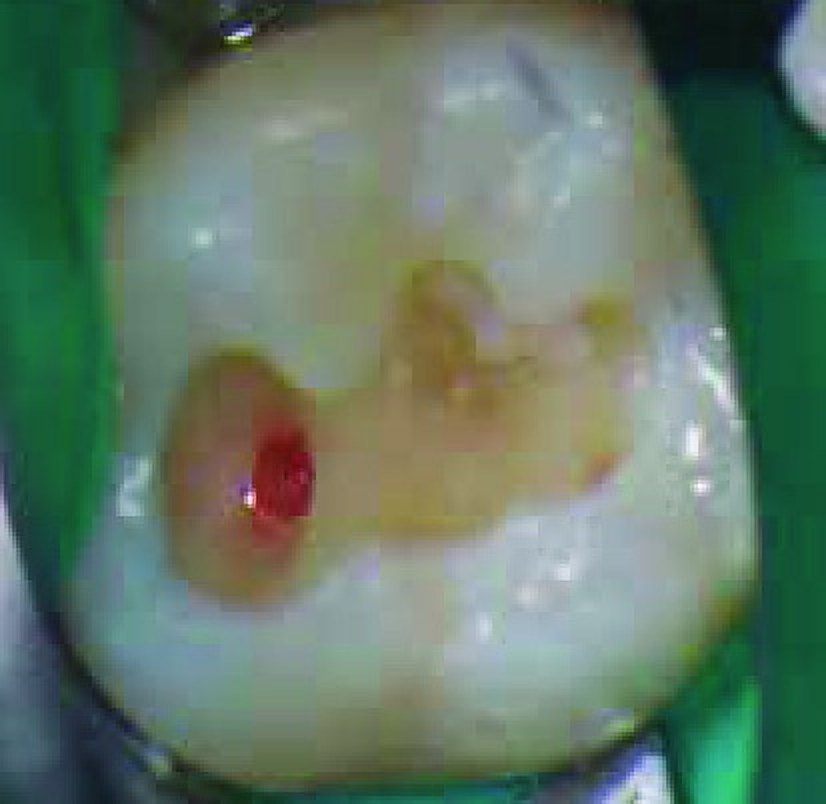
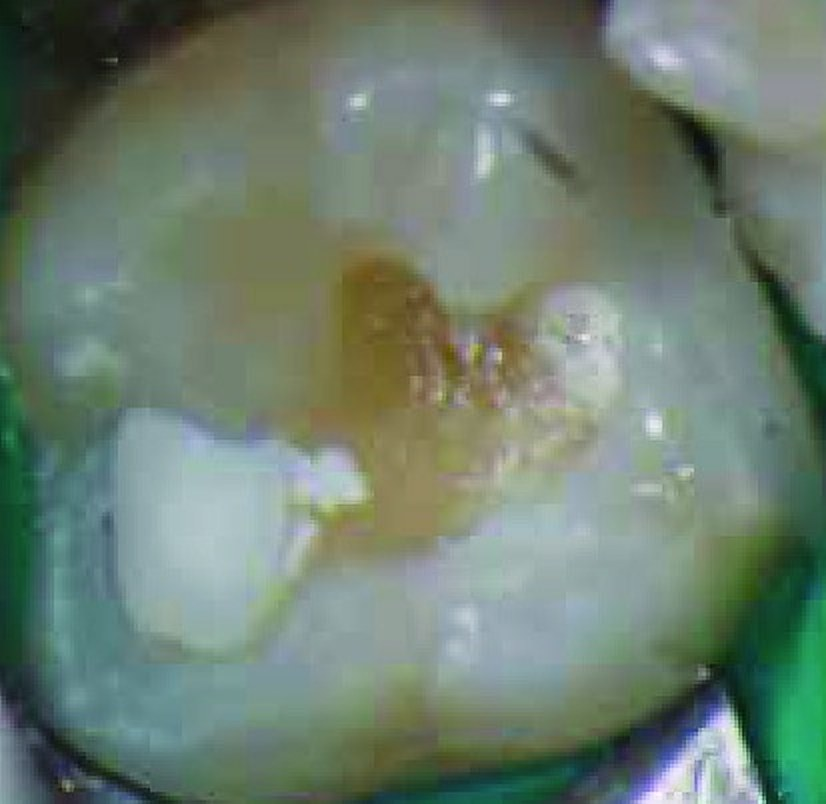
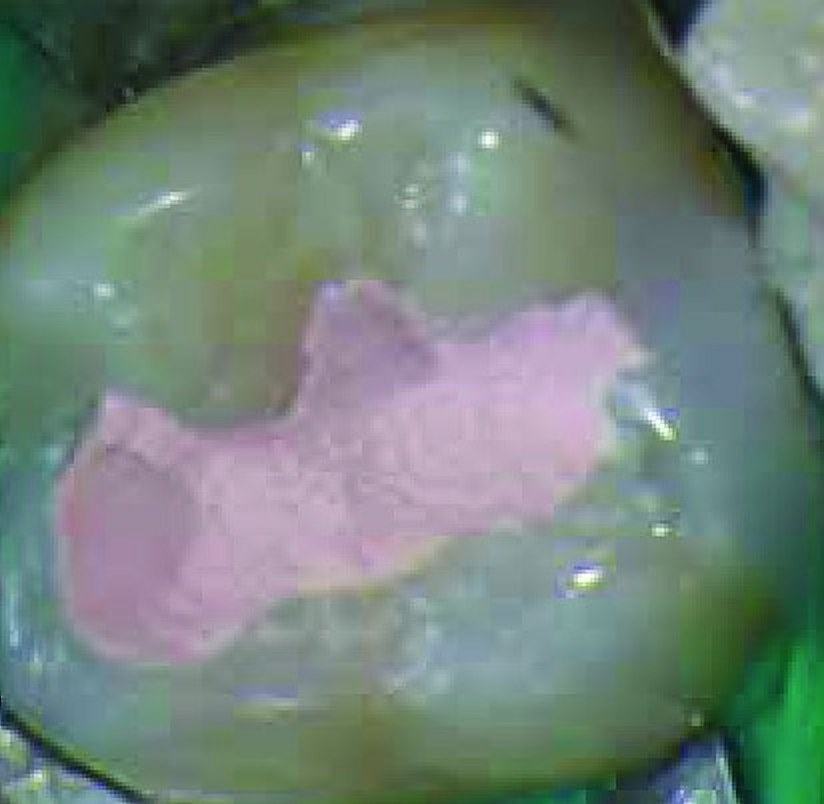
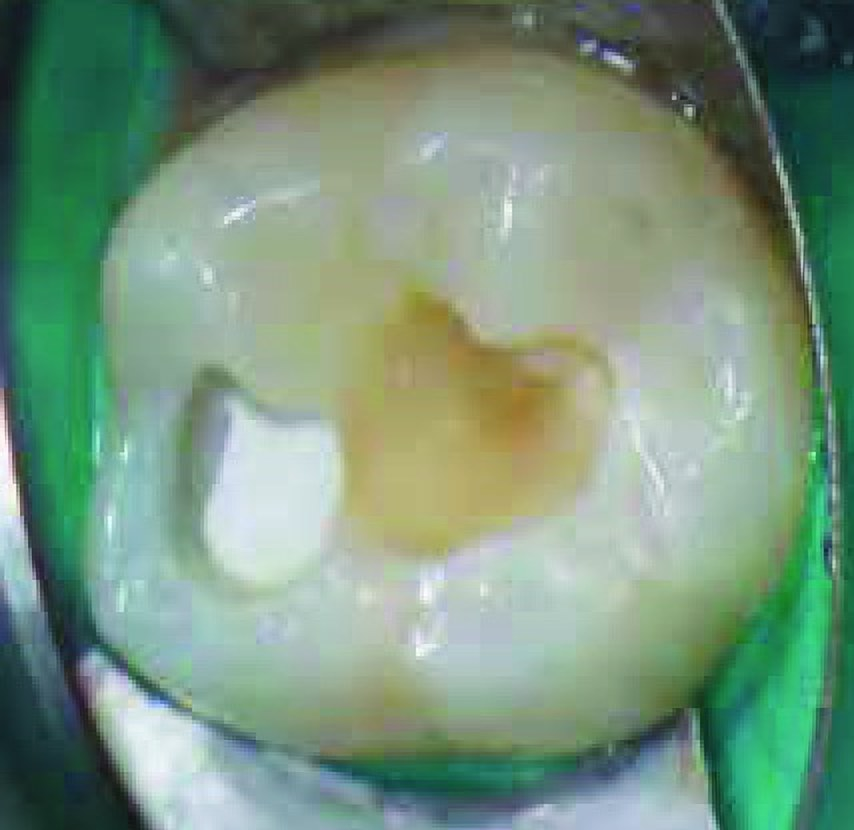
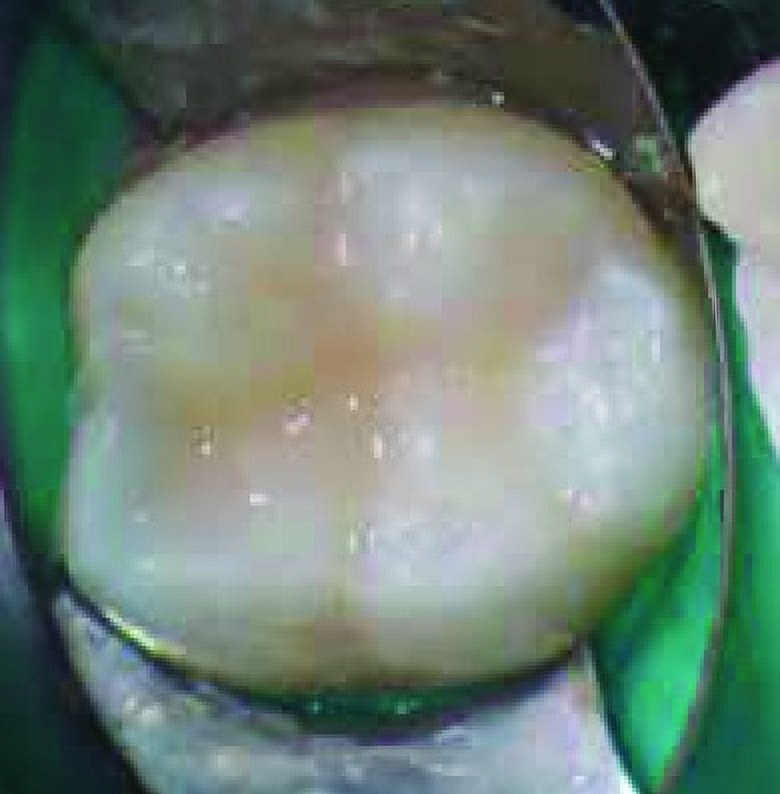
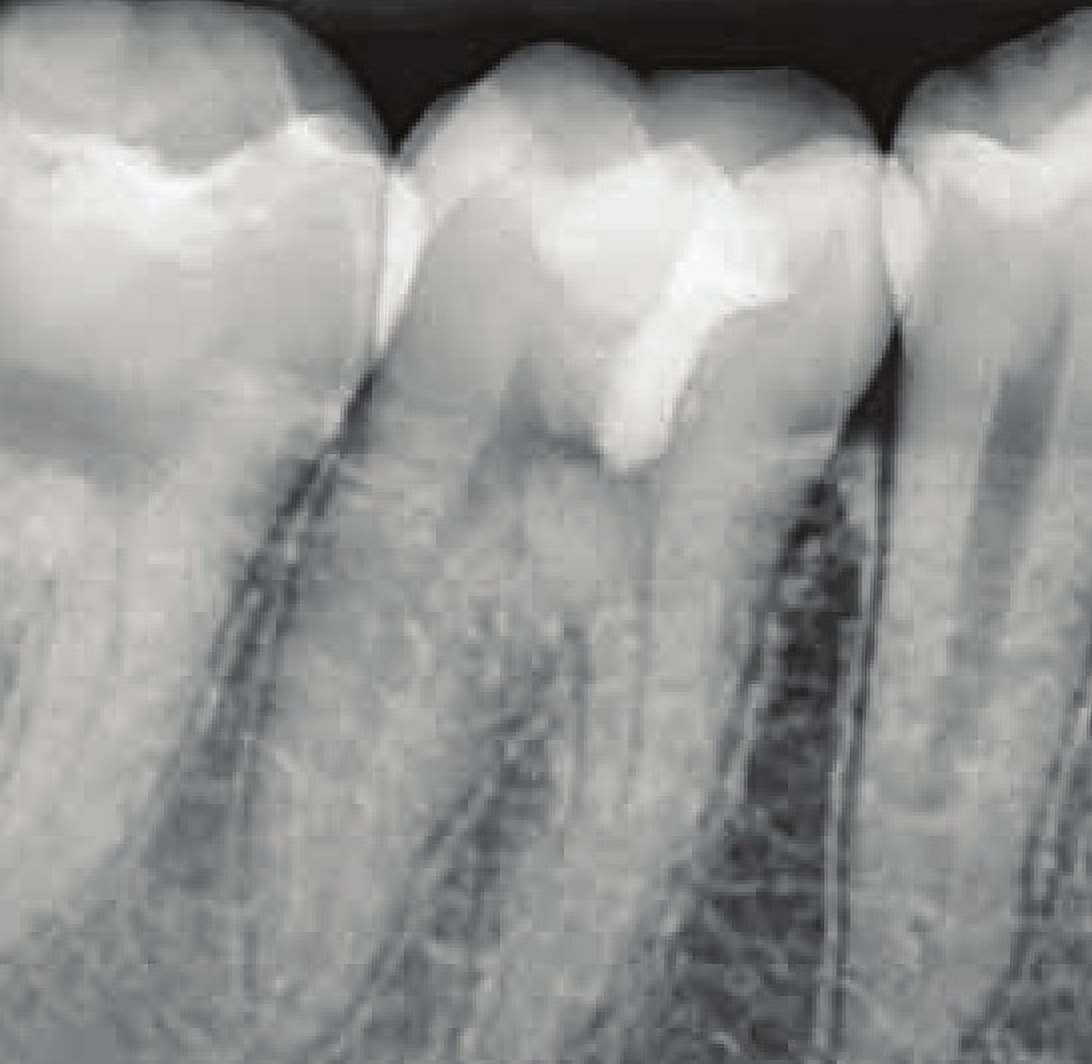
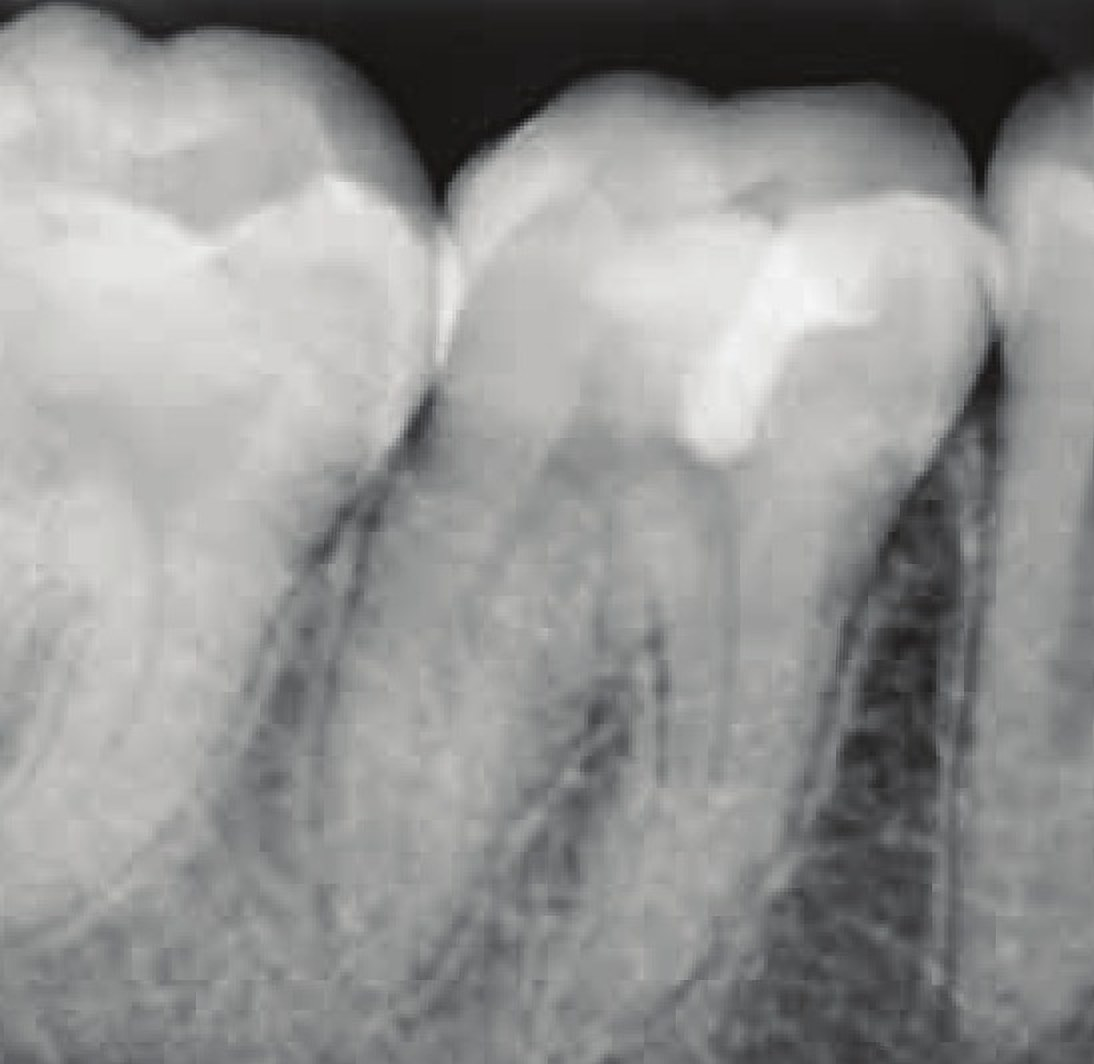
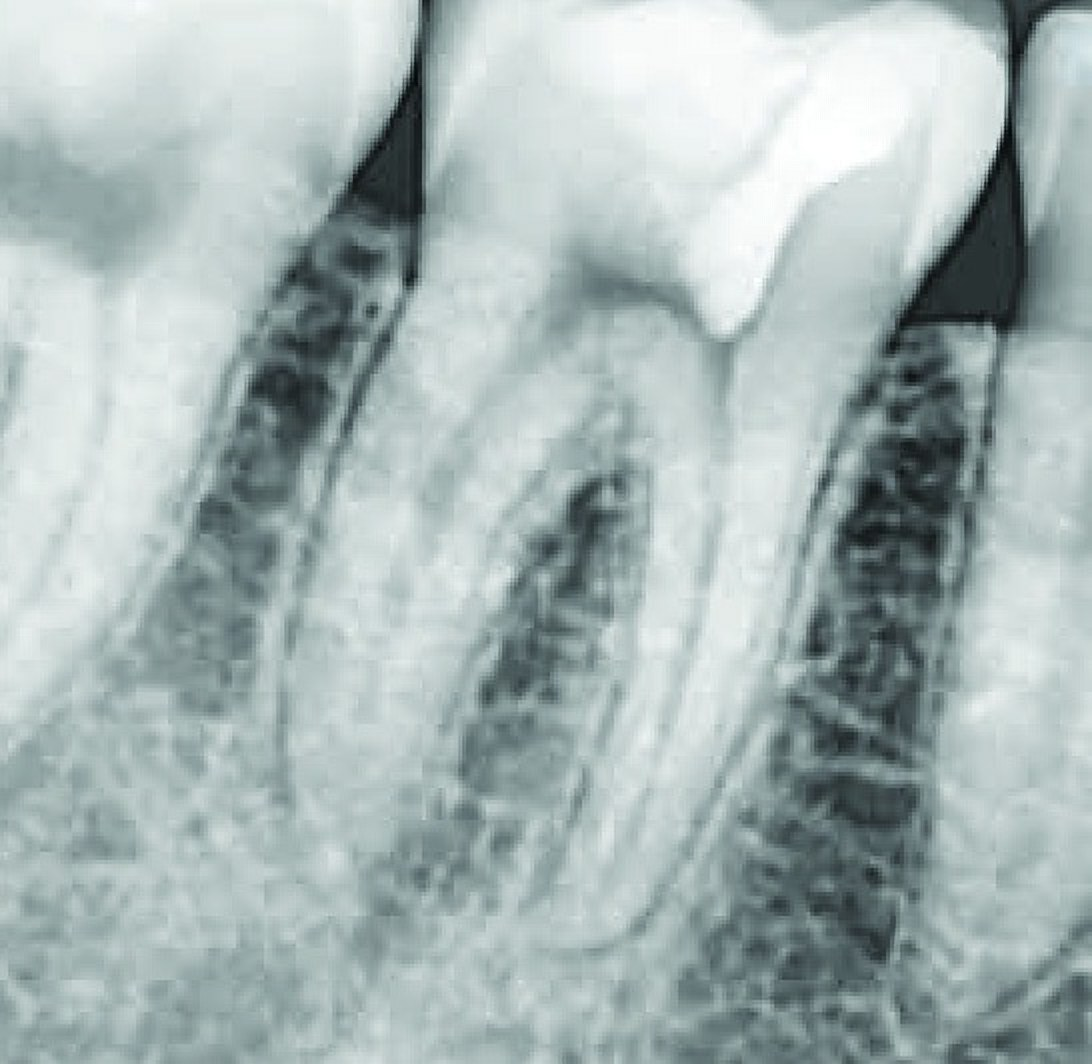
Director's Clinical Cases
Dr. SungGeun Cho
From access to obturation,
with 5-year follow-up
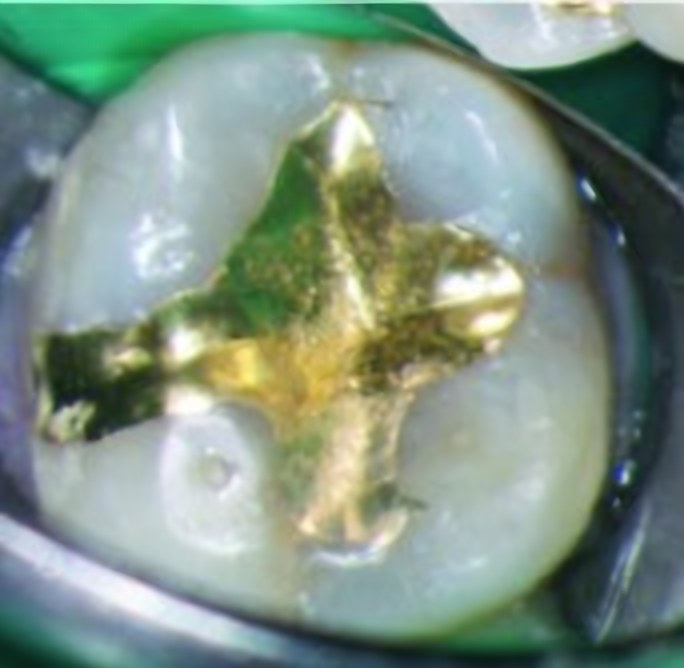
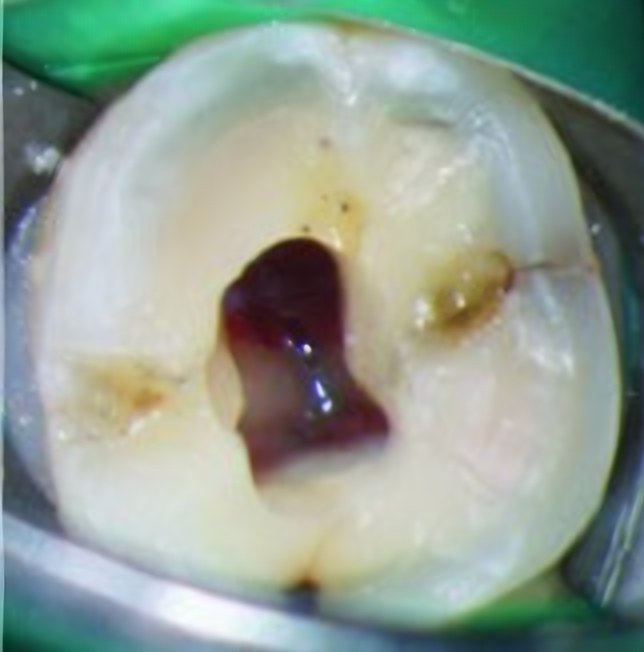
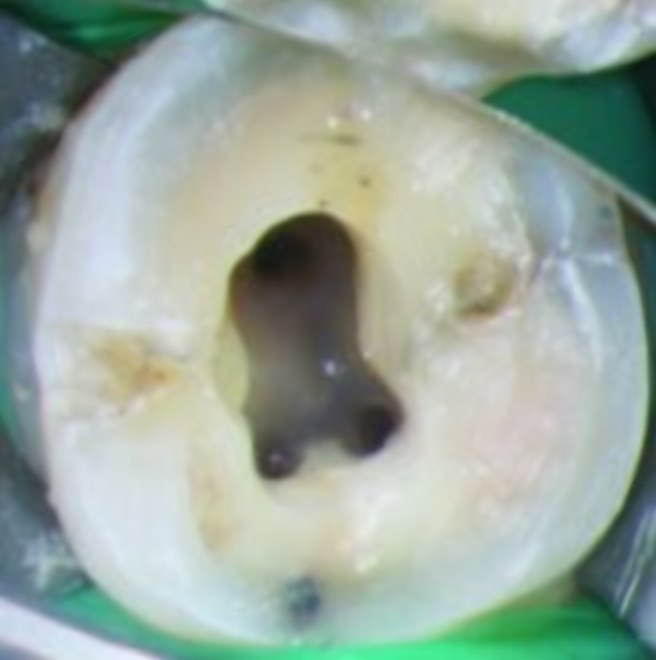
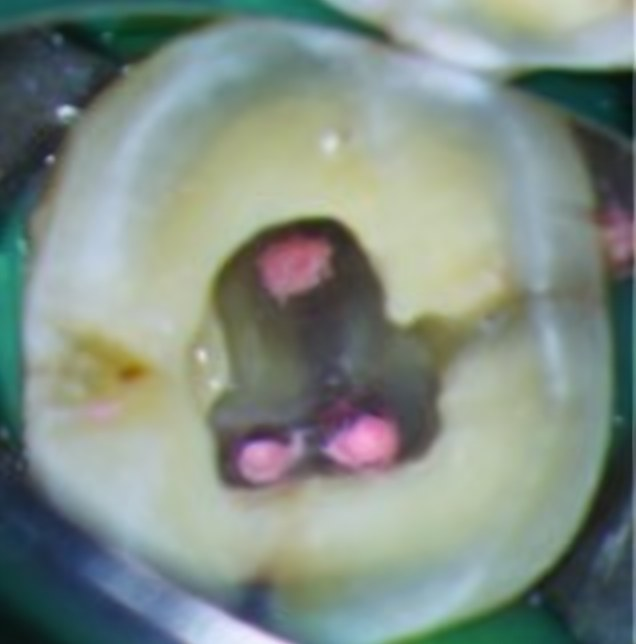
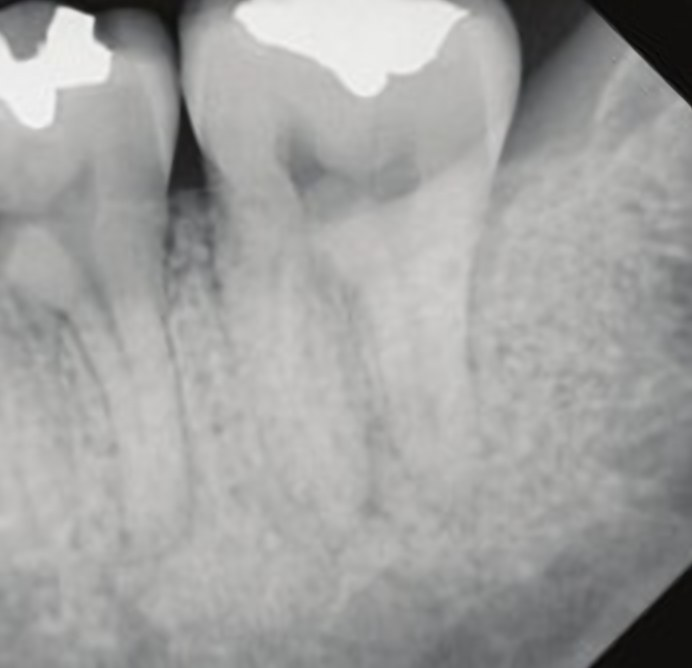
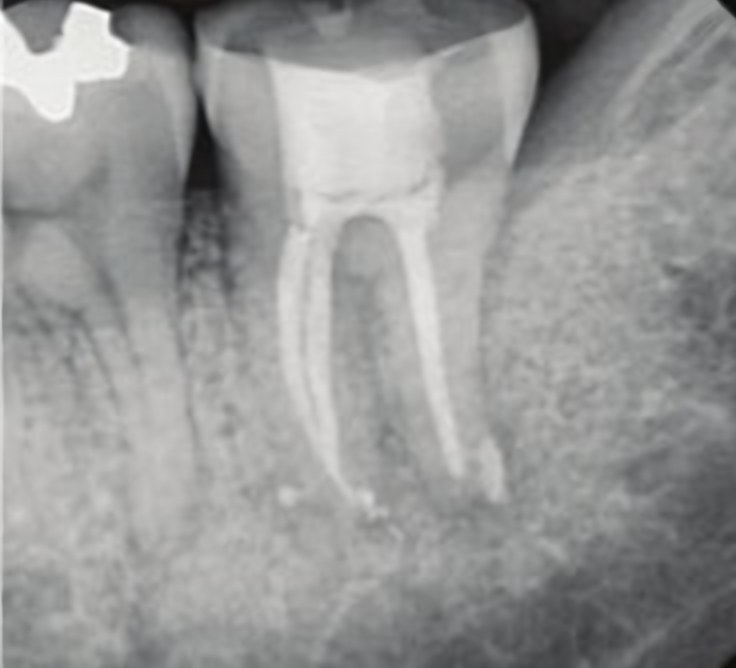
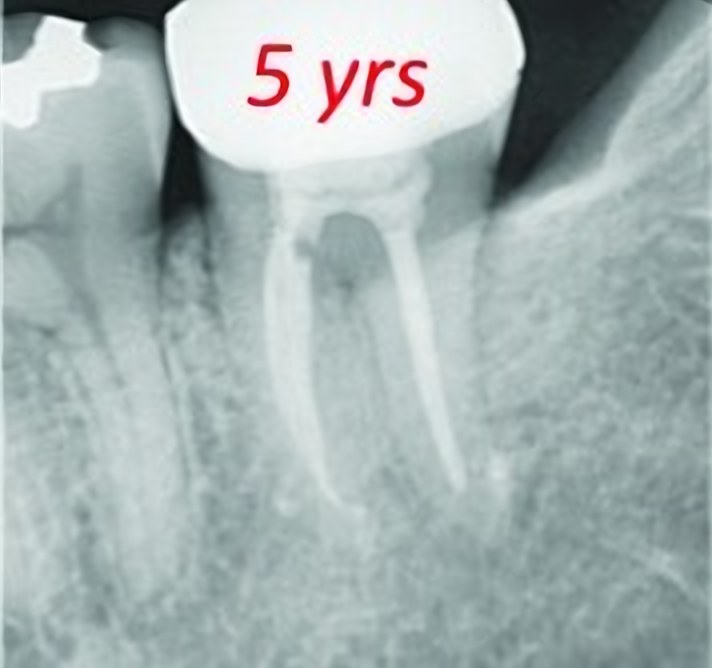
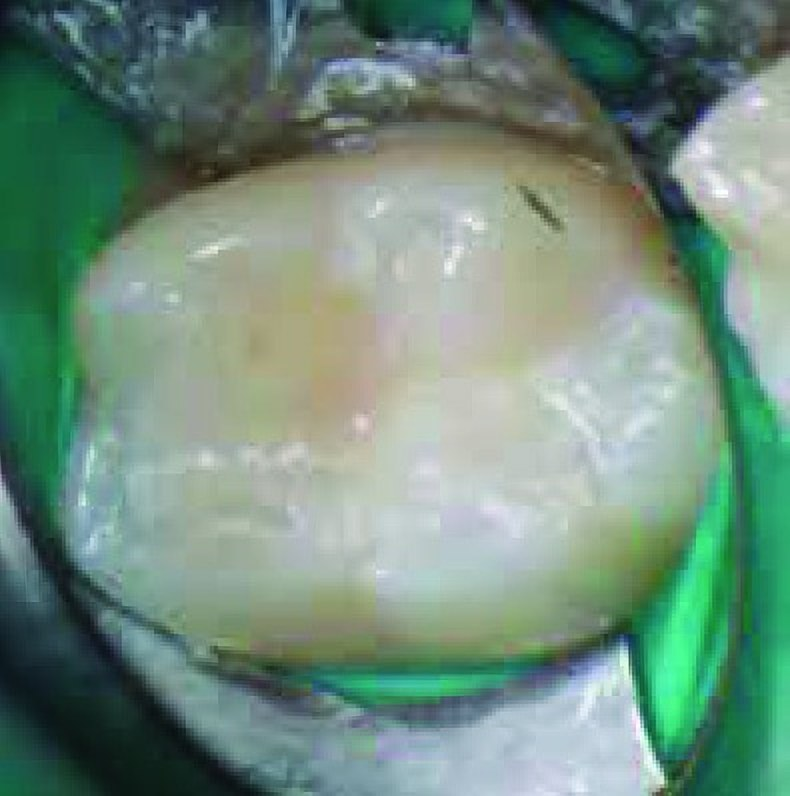
Direct pulp capping with
One-Fil Putty Injectable
Course Curriculum
Saturday 30 January 2027
9:00 am – 6:00 pm
Lecturer
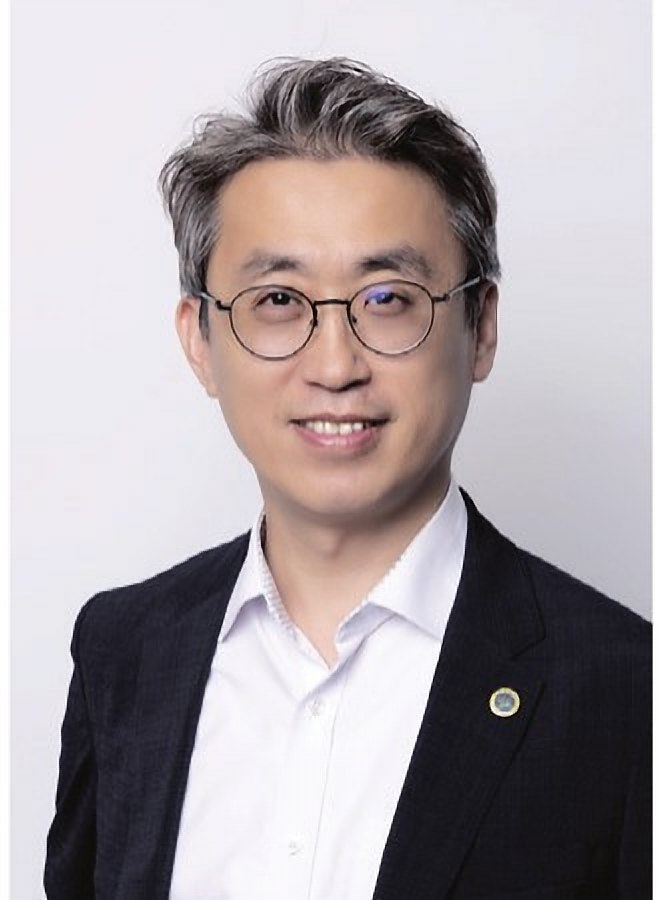
Prof. Hyeon-Cheol
Henry Kim
DDS, MS, PhD
Prof. Hyeon-Cheol Henry Kim is Professor of Conservative Dentistry and Director of Pusan National University Dental Hospital. He serves as Secretary of the International Federation of Endodontic Associations (IFEA) and is a past President of the Asian Pacific Endodontic Confederation. His academic contributions include books on NiTi instrumentation and patents for endodontic instruments and materials.
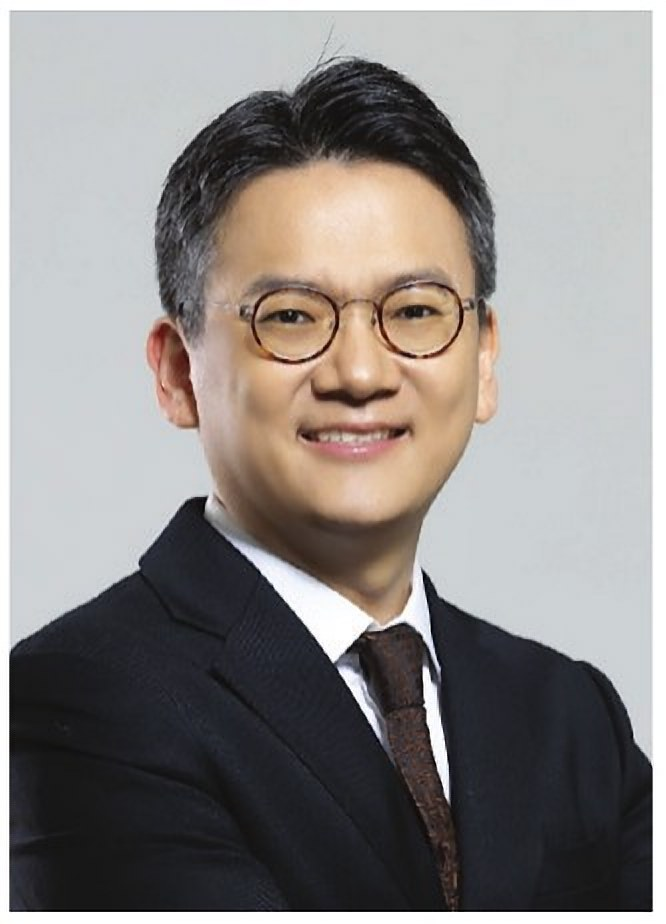
Dr. SungGeun
Cho
BS, DMD
Dr. SungGeun Cho is a board-certified specialist in conservative dentistry in Korea and the founder and director of LUNA Dental Clinic, a practice specialising in conservative dentistry and endodontic treatment. Dr. Cho has been actively involved in endodontic education since 2014, sharing his clinical knowledge and experience with dentists. He has contributed to the authorship and translation of several dental publications and currently serves as a Key Opinion Leader (KOL) and clinical educator for leading dental companies, including Dentsply Sirona, Komet, and Mediclus.
Director's Research
Prof. Hyeon-Cheol Kim
Mechanical and Geometric Features of Endodontic Instruments and Its Clinical Effect
NiTi rotary files have greater flexibility and superelasticity than conventional stainless-steel instruments. The flexibility of NiTi allows the file to follow curved root canals more closely, reducing the risk of canal transportation and other shaping errors. File geometry, including taper, tip design, cross-sectional area, and helical angle, affects cutting efficiency, flexibility, and fracture resistance. Non-cutting guiding tips and appropriate glide path preparation can help maintain the original canal trajectory. Larger tapers and cross-sectional areas may improve cutting efficiency but can also increase instrument stiffness and stress. NiTi files can fracture due to cyclic fatigue or torsional stress, meaning flexibility alone does not guarantee safety.
Read the paperEffect of R-Phase Heat Treatment on Torsional Resistance and Cyclic Fatigue Fracture
In laboratory testing, R-phase heat-treated K3XF nickel–titanium rotary files withstood significantly more bending cycles before fracture than conventional K3 files of identical geometry. At both tapers tested (4% and 6%), the two file types showed no significant differences in maximum torque, angle of twist at fracture or torsional toughness. These results indicate that R-phase heat treatment improved the files’ resistance to repeated bending while preserving their torsional strength.
Read the paperRetreatment Strategies for Cases Containing Calcium Silicate-Based Root Canal Sealers: A Comprehensive Review
For root canals previously filled with calcium silicate-based sealers, mechanical instrumentation combined with chemical agents and activated irrigation may improve sealer removal during retreatment. Complete removal remains challenging in areas beyond the reach of files. Further clinical studies are needed to determine which combination of techniques is most effective.
Read the paper

| Title | Contemporary Endodontics in Action |
|---|---|
| Course Director | Prof. Hyeon-Cheol Henry Kim & Dr. SungGuen Cho |
| Course Date | 30 Jan 2027 |
| Course Time | 9:00 am – 6:00 pm (AEDT) |
| Fee | $1,200+GST $960+GST (Until 6 Dec 2026) |
| Venue | Minimax Implant Training Center (Sydney) |