


9am – 5pm
* Session duration may vary depending on the course schedule.

Training Center
NSW 2113


(Register before 4 January 2027)

this Seminar. the course will be awarded
14 CPD Certificate hours
9am – 5pm
* Session duration may vary depending on the course schedule.
(Sydney)
(Register before 4 January 2027)
this Seminar. the course will be awarded
14 CPD Certificate hours
Why this course
Two questions every general dentist is asking
“From pulpal inflammation to fractured teeth – what can we actually do without resorting to invasive root canal therapy?”
Current research into the pathophysiology of pulpal disease has shifted how these teeth are classified and managed. This course looks at pulpal management through a new lens, with systematic, predictable and evidence-based protocols built on lasers and bioceramics.
“Why is the diode still the most misunderstood technology in the surgery?”
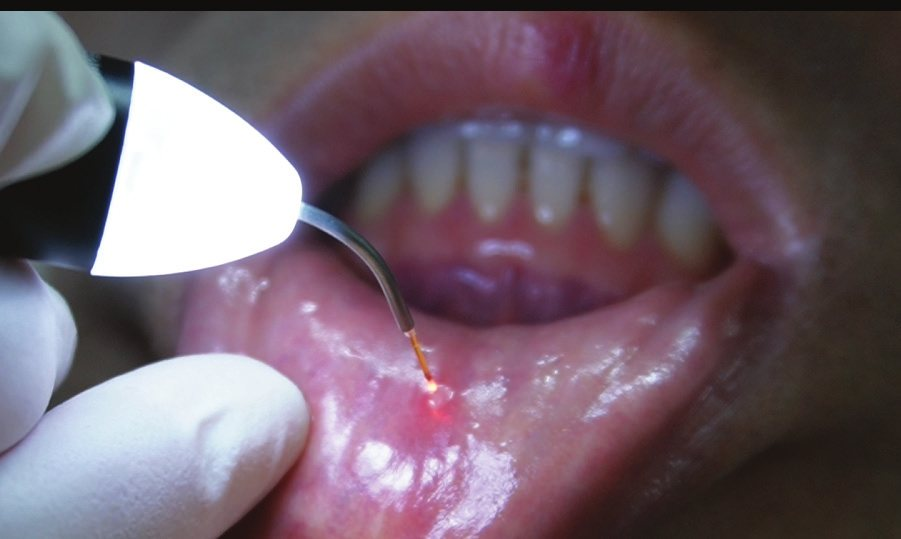
Diode applications are well researched, documented and approved by governing bodies, yet many practitioners are unsure how to use them. This course cuts through the confusion with practical information you can apply in your practice straight away – from surgery to photobiomodulation for healing and regeneration.
Learning outcomes
After two days, you will be able to
01
Understand laser physics and tissue interaction
The fundamentals behind how diode lasers act on oral tissues.
02
Apply safety protocols
The protocols required for safe laser use in your practice.
03
Explain photobiomodulation
The mechanisms of action behind PBM for healing and regeneration.
04
Classify and manage pulpal disease
Current classifications and the protocols of leading international bodies.
05
Choose lasers and bioceramics with rationale
When and why each helps maintain the dentition.
06
Apply it to real patients
Translate the evidence into clinical scenarios and patient management.
Course curriculum
Two modules, one integrated course
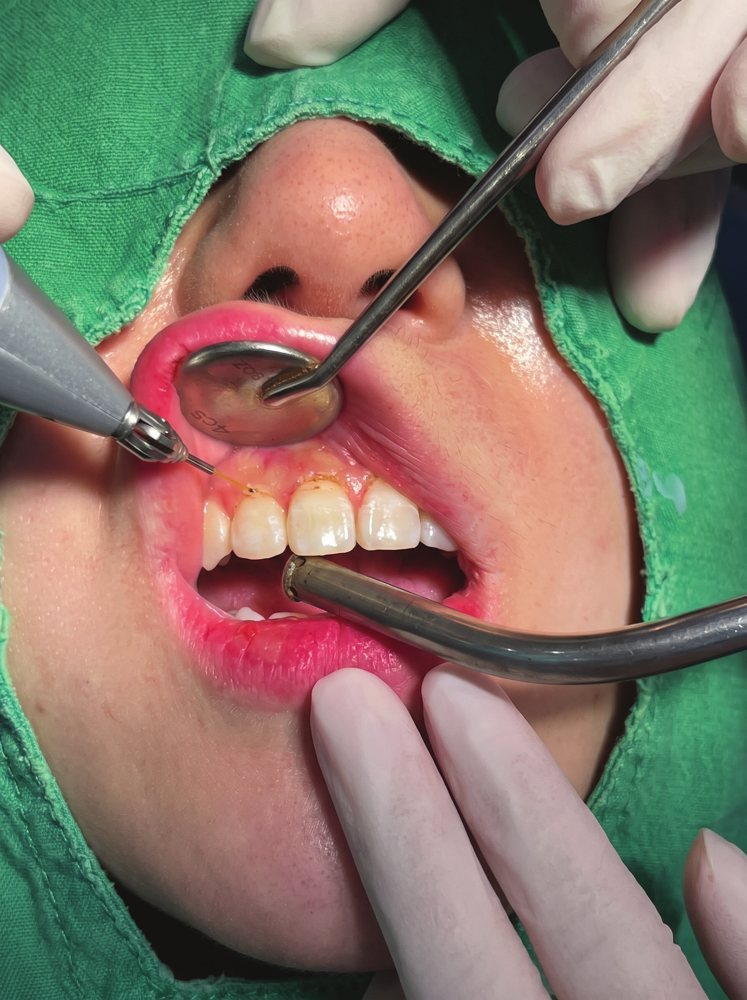
Module 1
Deep Dive into Diodes in Dental Practice
Diode lasers across everyday practice – soft tissue surgery, haemostasis and decontamination, through to photobiomodulation (PBM) for healing and regeneration.
- Laser physics: wavelength, power, emission mode and laser–tissue interaction
- Laser safety: eyewear, hazard zone and safe operating protocols
- Photobiomodulation: mechanisms of action, healing and tissue regeneration
- Laser-assisted soft tissue procedures in general practice
- Applications across specialties and improved patient outcomes
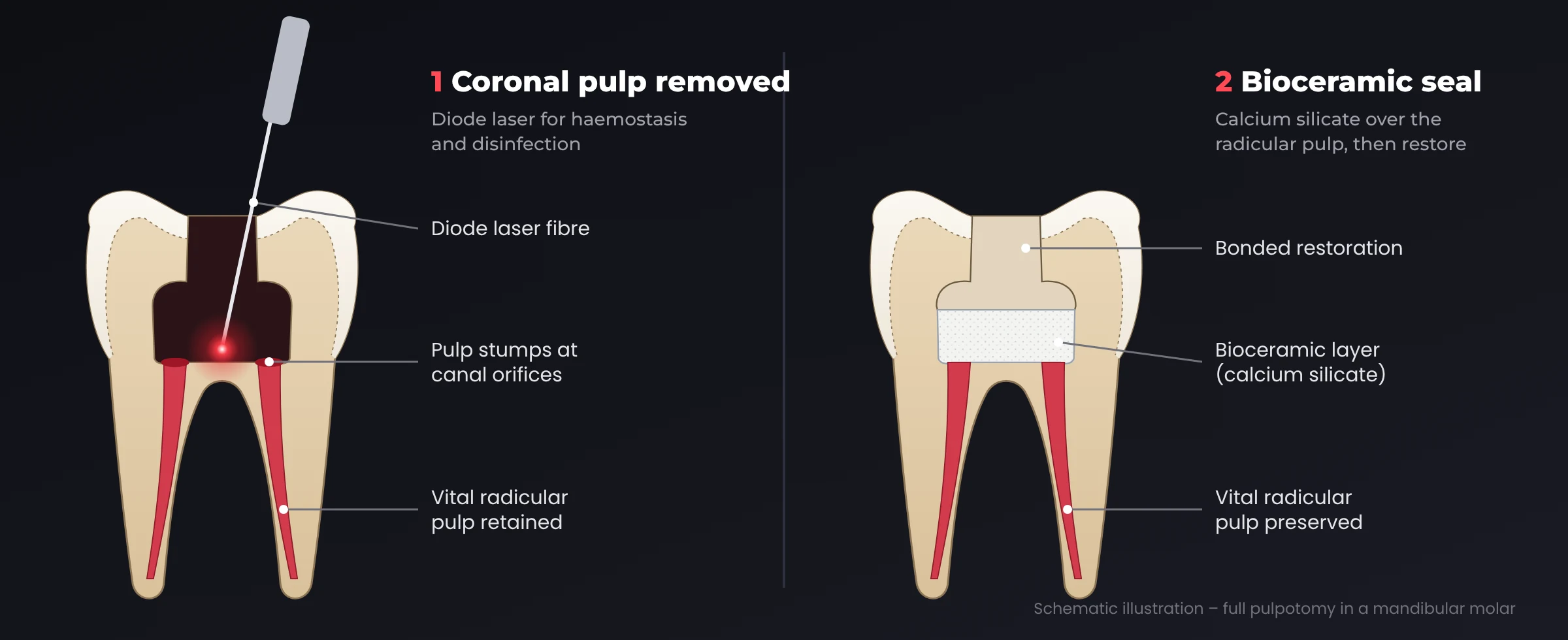
Module 2
Modern Pulpal Management in Dental Practice
Preserving pulp vitality where the evidence supports it – the disease process, current diagnosis and minimally invasive alternatives to root canal therapy.
- Pathophysiology and current classification of pulpal disease
- Management protocols of leading international bodies
- Managing the modern dentition: inflammation, cracks and fractures
- Key treatment modalities, including minimally invasive pulpal therapy
- Rationale for lasers and bioceramic materials in maintaining the dentition
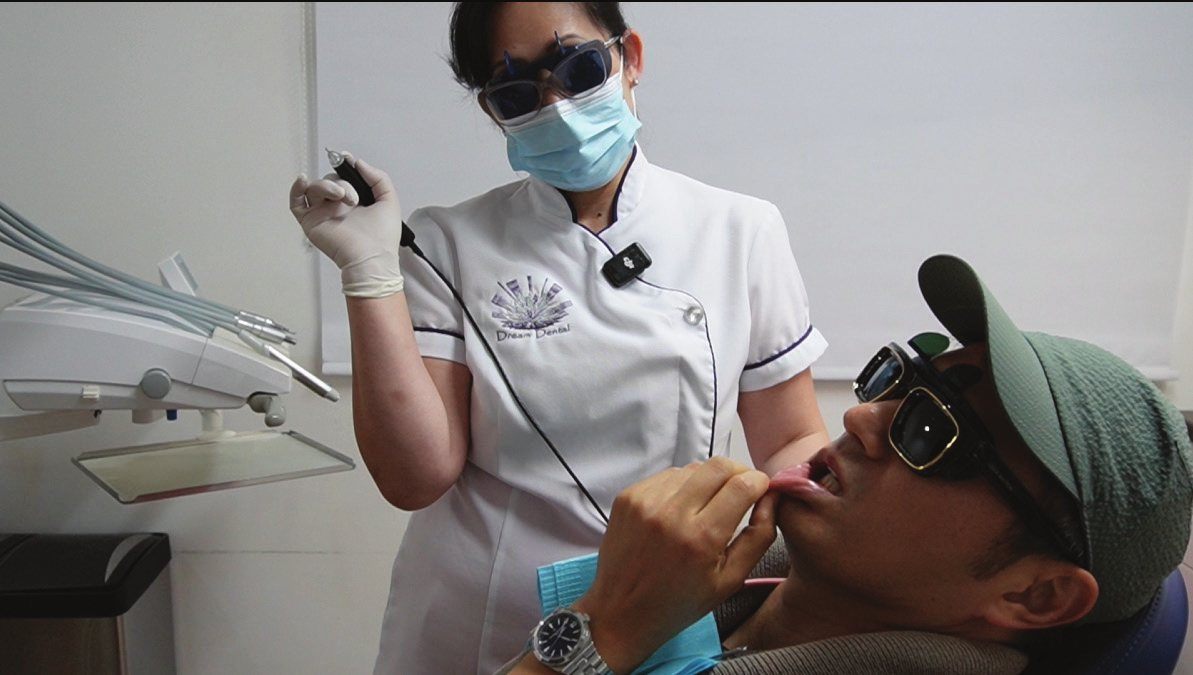
Lecture & hands-on
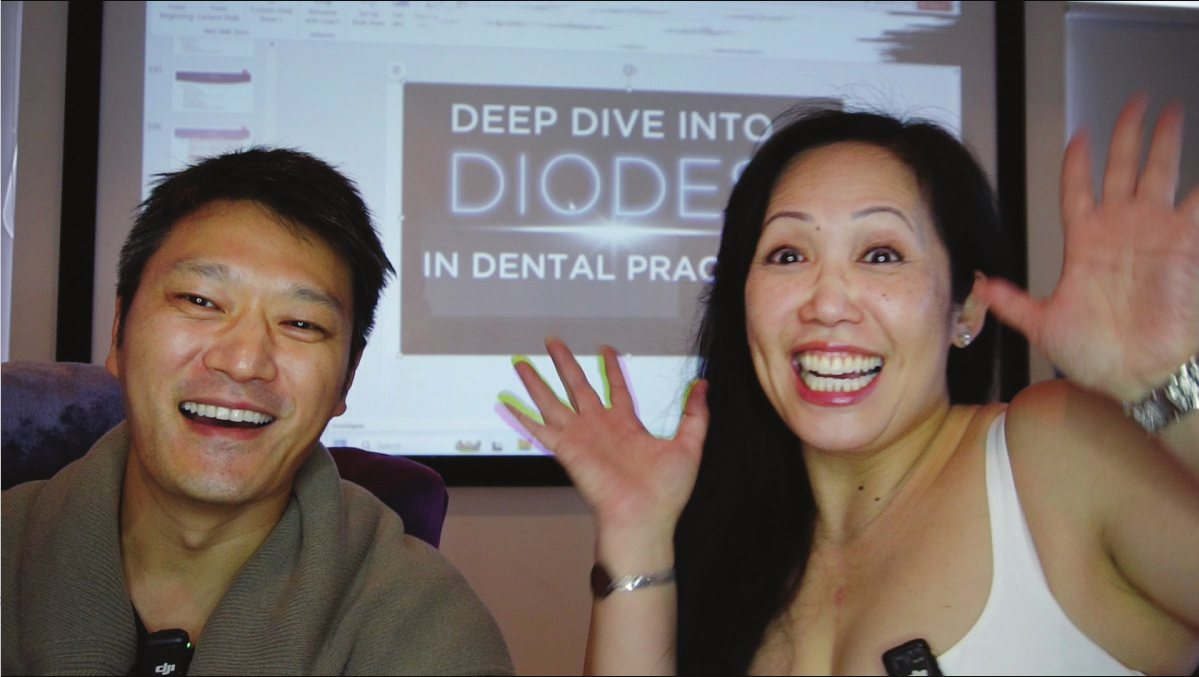
Two experts. One dynamic lecture and hands-on.
Theory is paired with practical sessions, so you leave with protocols you can apply in your own surgery on Monday — not just slides.

| Title |
DEEP DIVE INTO DIODE & PULPAL MANAGEMENT 2027
|
|---|---|
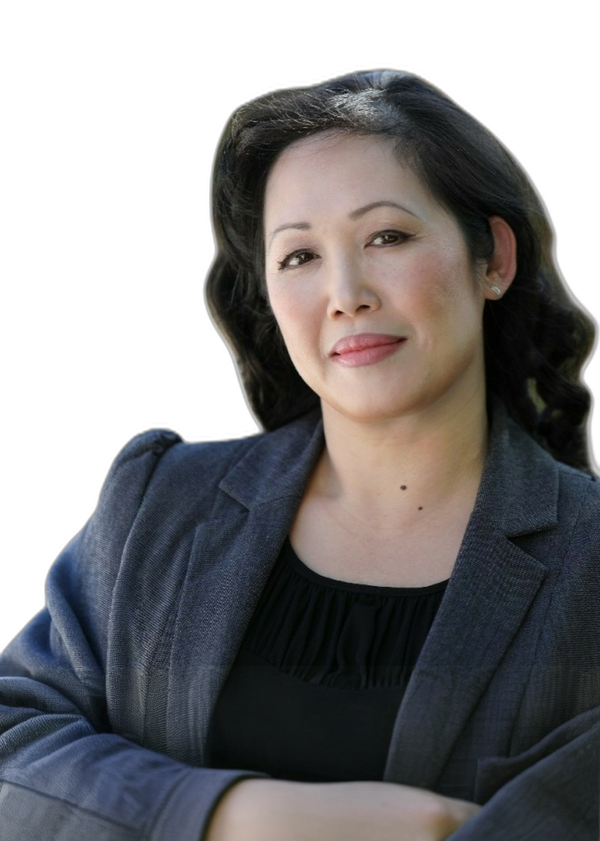
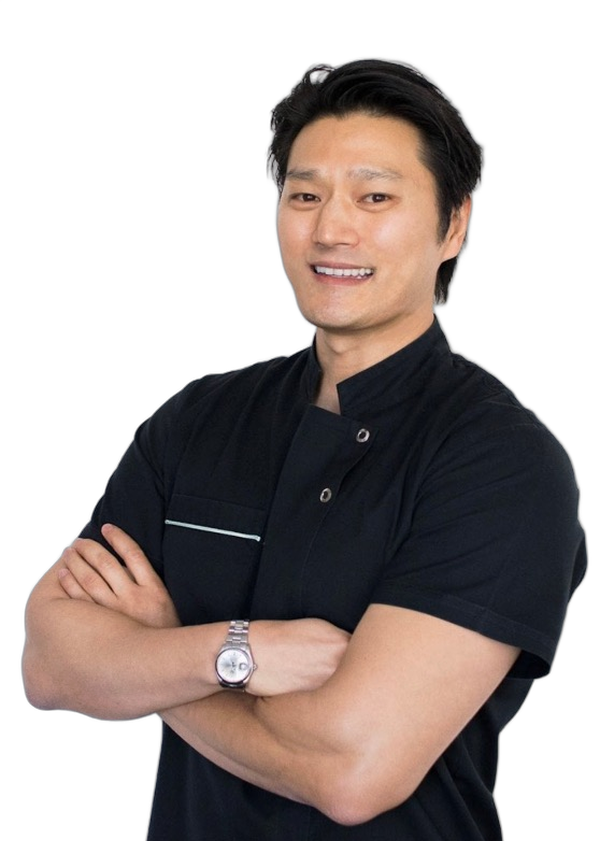
| Course Director | Dr. Lan Tran & Dr. Dail Kim |
| Course Date | 20-21 Feb 2027 |
| Course Time | 9:00 am – 5:00 pm (Sat – Sun) |
| Fee | $1,600+GST $1,300+GST (Until 4 Jan 2026) |
| Venue | Minimax Implant Training Center (Suite 4.05, Level 4, 6 Eden Park Drive 2113) |
| Title |
DEEP DIVE INTO DIODE & PULPAL MANAGEMENT 2027
|
|---|---|
| Course Director | Dr. Lan Tran & Dr. Dail Kim |
| Course Date | 20-21 Feb 2027 |
| Course Time | 9:00 am – 5:00 pm (Sat – Sun) |
| Fee | $1,600+GST $1,300+GST (Until 4 Jan 2027) |
| Venue | Minimax Implant Training Center (Suite 4.05, Level 4, 6 Eden Park Drive Macquarie Park 2113) |